Design Community Innovation Project
A 6-person innovation team turned internal downtime into a tested MVP and a repeatable rapid-prototyping capability.
A design team's downtime between client projects was going to waste, and the agency had no rapid-prototyping offering.
A self-initiated innovation project: I pitched it to leadership, then led 6-7 designers through research, ideation, and a FlutterFlow build with AI integration.
A tested MVP, a team that had worked across the full product lifecycle, and a rapid-prototyping proposition the agency could take to clients.
Context
In a design consultancy, bench time between client projects is usually lost time. Designers wait, and the business absorbs the cost.
I pitched leadership on a different use for it: a self-initiated product project that would upskill the team, produce a client-facing demonstration of rapid prototyping, and potentially become a product in its own right. The concept was a mobile community platform for South African designers, a market with no real equivalent at the time.
Approved in early 2024. I assembled a team of six to seven: a Scrum Master, a UI designer, a lead researcher, a junior UI designer, and two UX designers.
The Problem
Downtime with no structure. Bench time was real and recurring, but nothing converted it into capability.
Narrow exposure. Junior and mid-level designers were repeatedly assigned slices of client projects. Few had seen a product move from research through to a working build.
No rapid-prototyping story. The agency wanted to sell speed but had nothing built to prove it.
Tooling gap. FlutterFlow and AI tooling were moving quickly, and the team had no hands-on experience with either.
My Role
Project lead, product lead, and hands-on builder. I pitched it to management, assembled and ran the team, designed the methodology, built the MVP, and ran the user testing.
Process
Selling it internally
The pitch had to work as a business case, not a training request. I presented three returns: staff upskilling at effectively zero marginal cost, a case study demonstrating rapid prototyping to prospective clients, and an option on a product.
Adapting the methodology
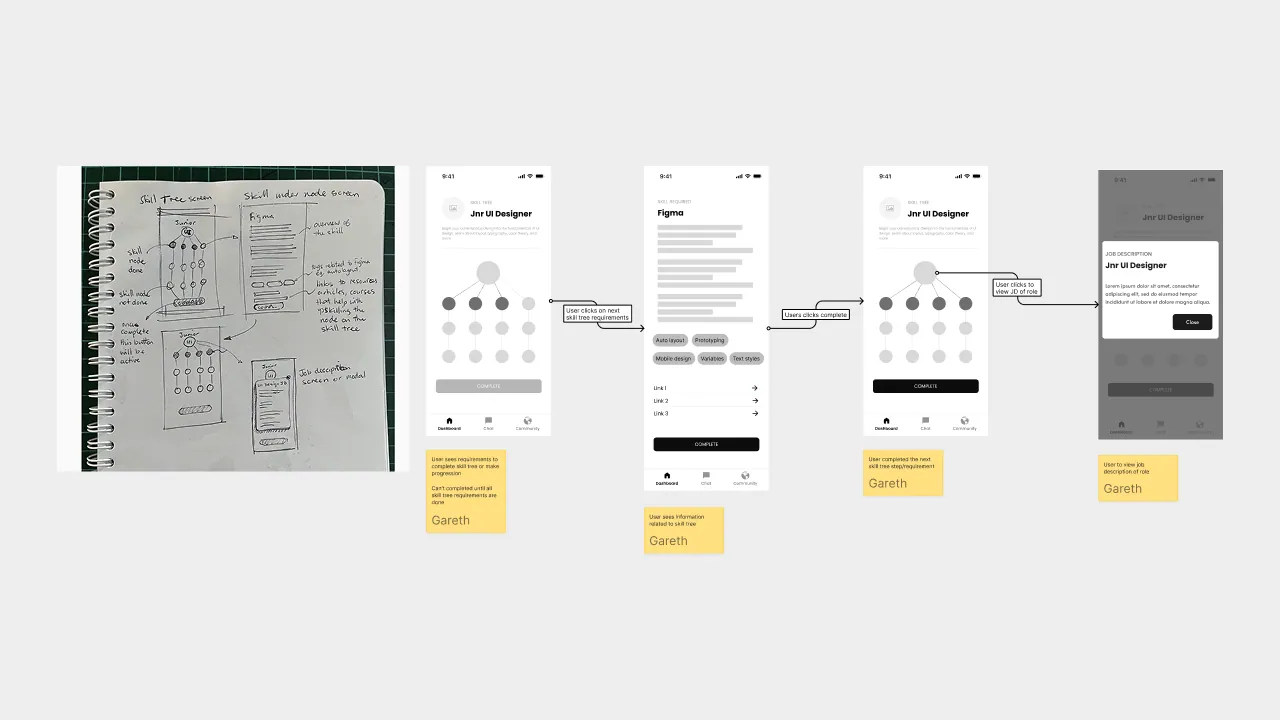
We built our own framework rather than importing one wholesale. The Google Design Sprint was condensed from five days to three. When people got pulled onto client work, we paused and resumed rather than forcing continuity. Essential for a self-initiated project competing with billable work.
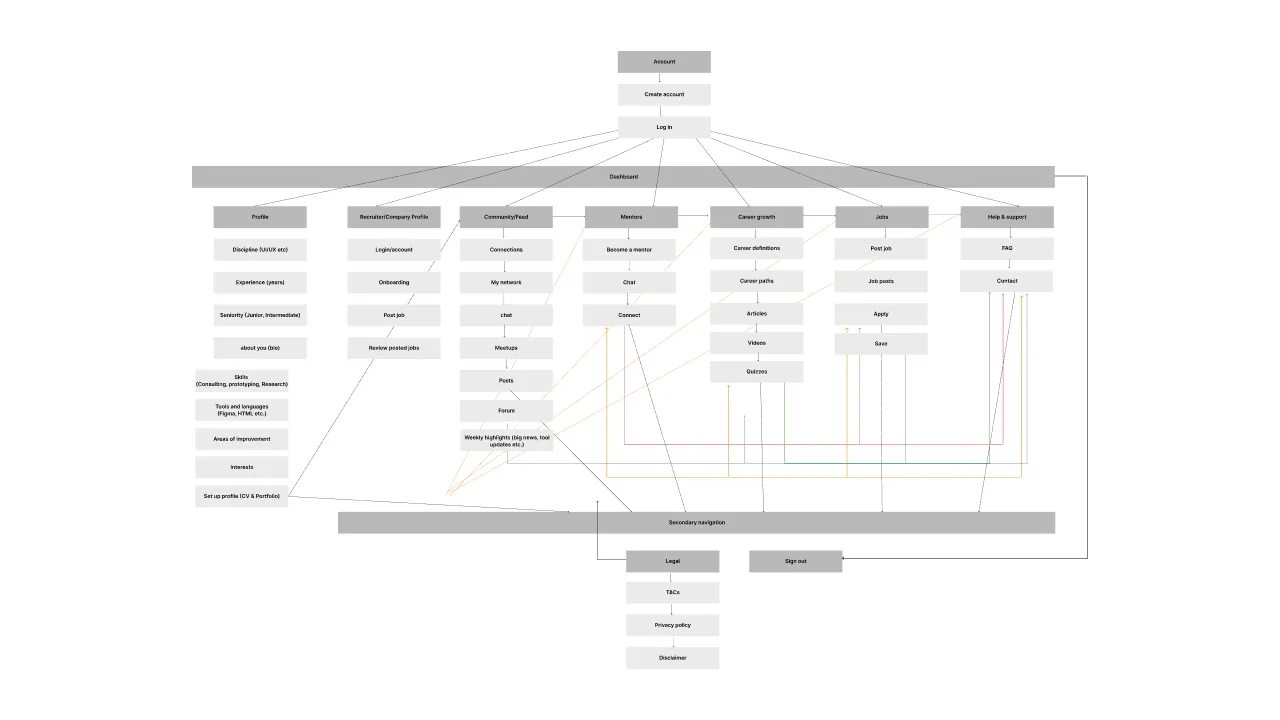
Research was distributed by strength: one person on competitor analysis, another on user interviews, others on information architecture. Everyone joined ideation, then work was delegated out. I assessed skill gaps deliberately and assigned tasks that would stretch people into unfamiliar territory.
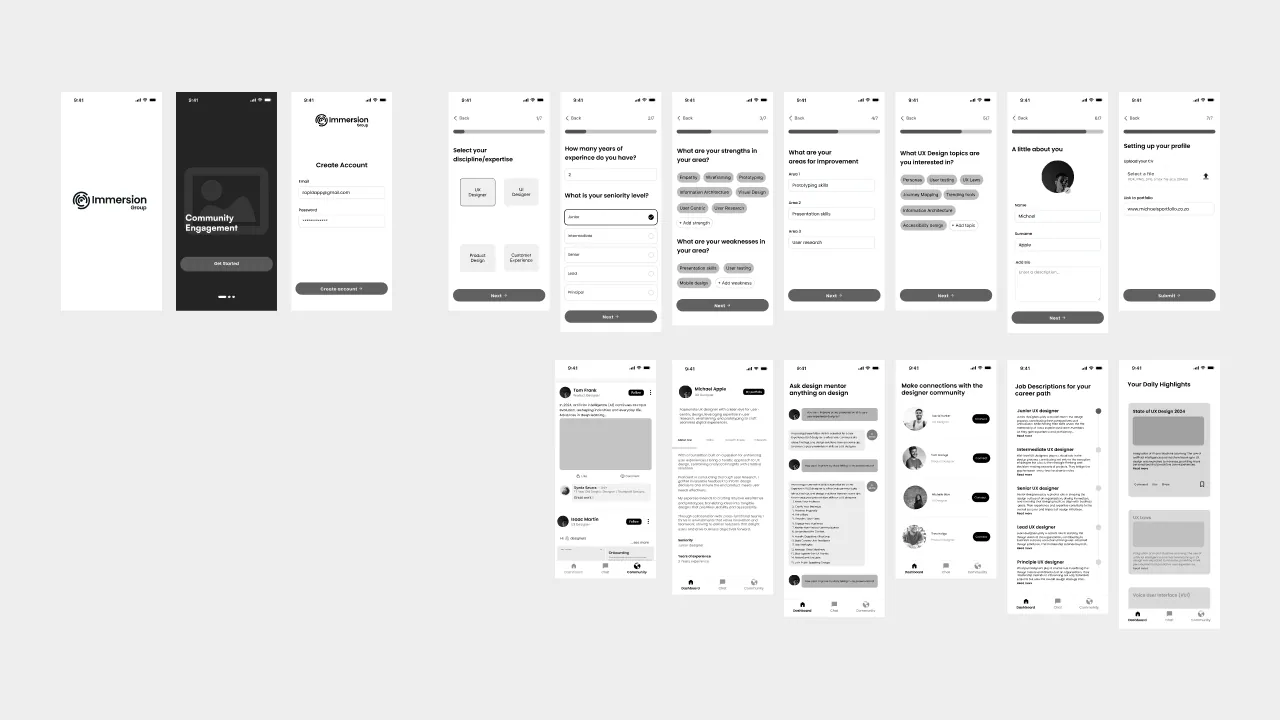
Building the MVP
I built it in FlutterFlow, with Supabase for backend and auth, and Buildship wiring in the OpenAI API. The AI assistant was trained on the agency’s design methodology so it could give contextual guidance rather than generic answers.
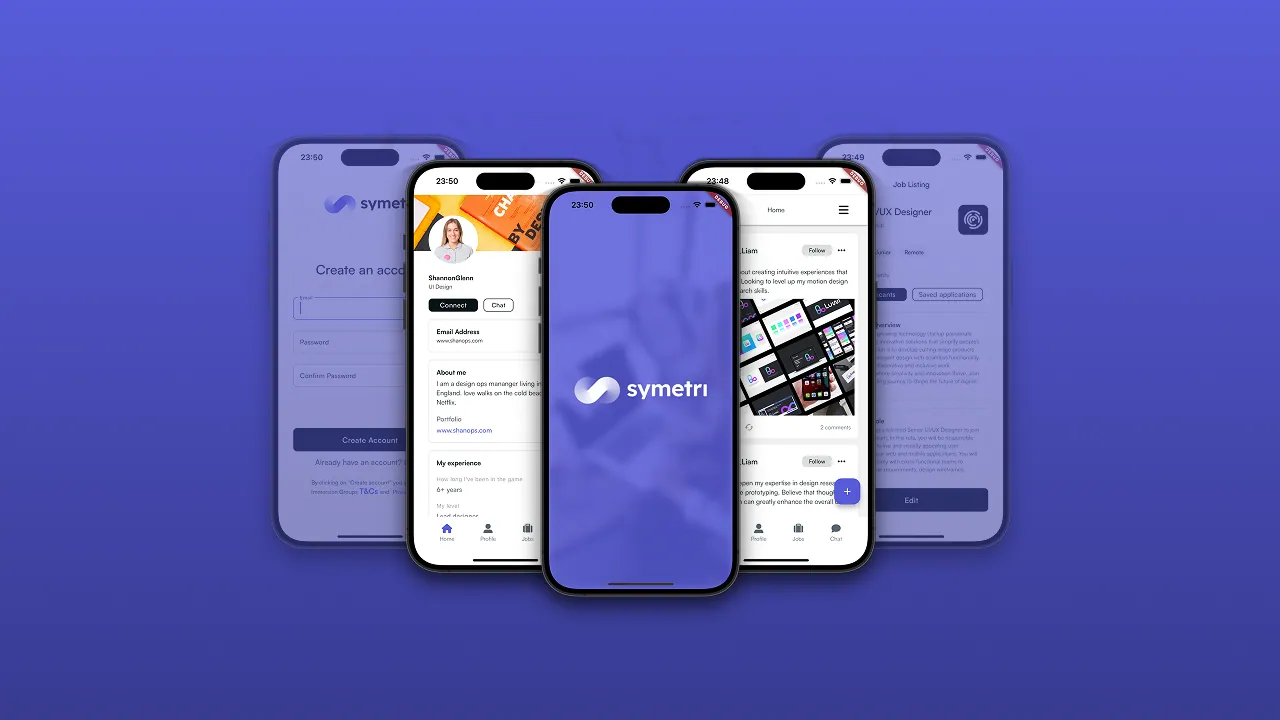
The app shipped with an onboarding skills assessment, a matching system pairing designers with complementary skills, a social feed, designer-to-designer chat, and the AI assistant.
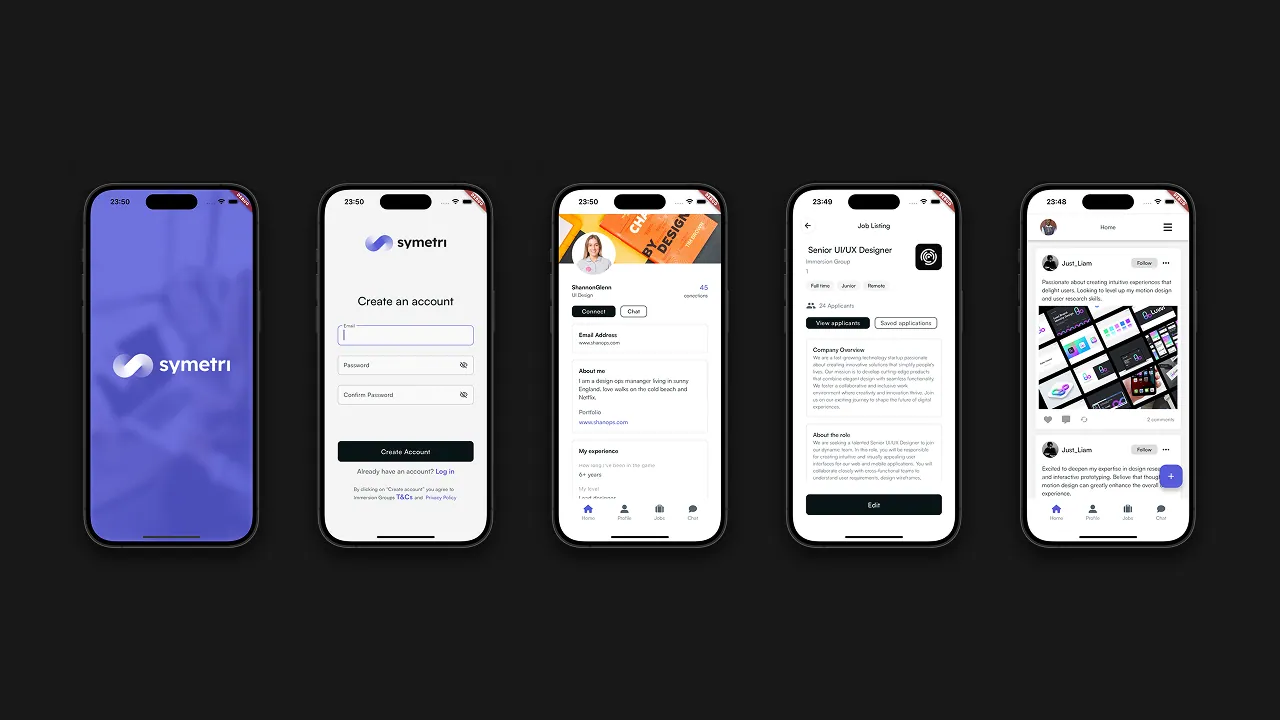
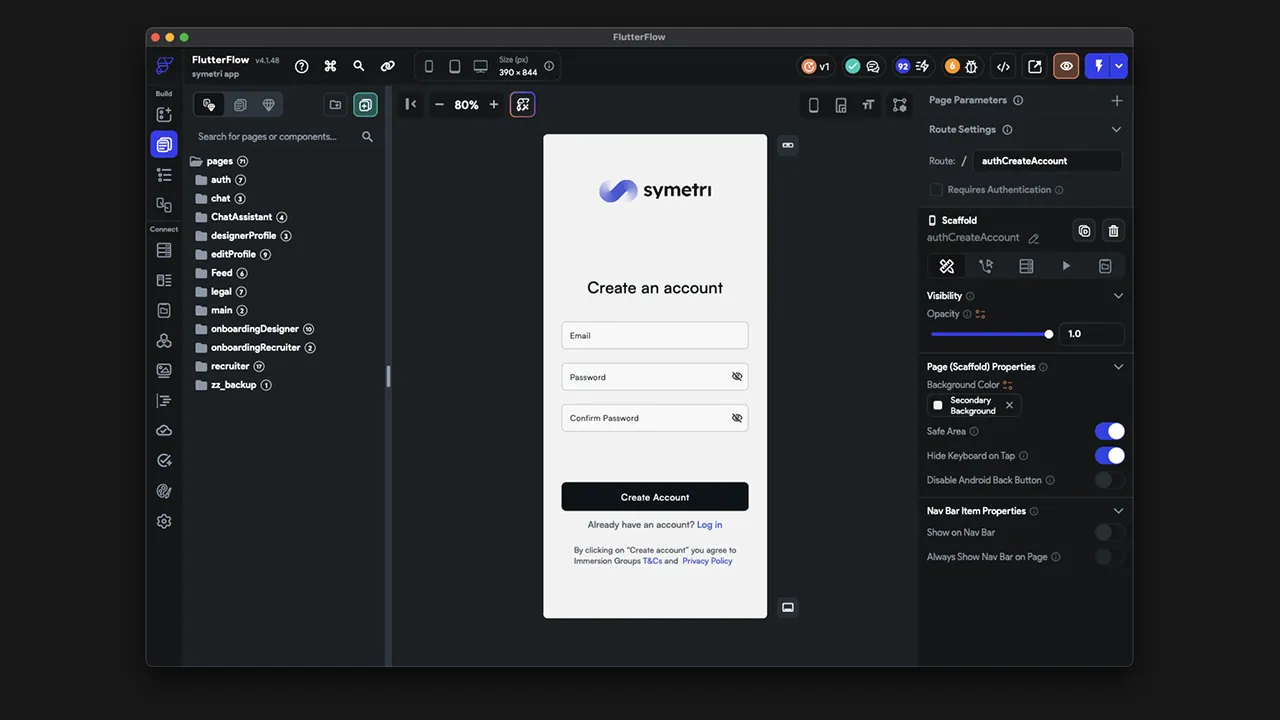
Testing, and the finding that changed the product
We tested with approximately 10 users. The result split cleanly by seniority: junior designers found real value in the skills assessment and community features, while senior designers were largely unengaged. They had nothing to gain from a peer network of people less experienced than them.
That reframed the product. A community app that only serves juniors has no expertise flowing into it and dies. So we added a mentorship feature designed specifically to give senior designers a reason to participate: visibility, contribution, and a lightweight way to advise.
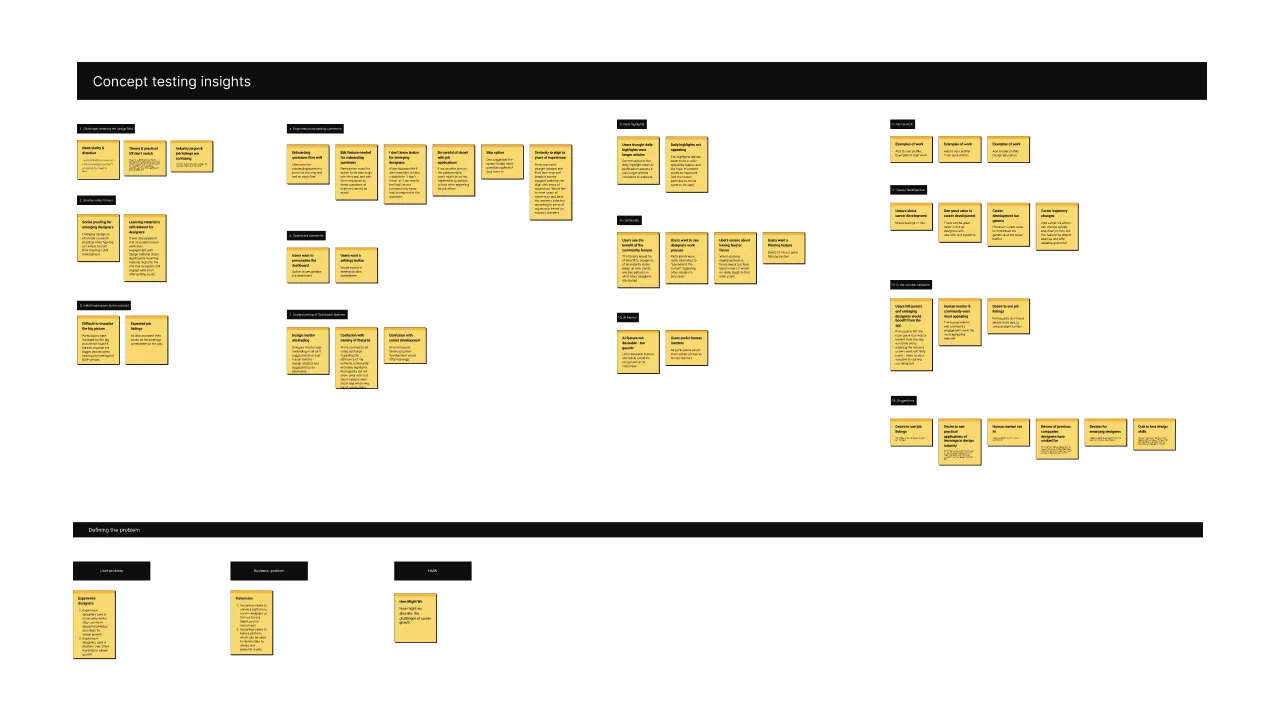
We ran the whole thing like a client engagement: playbacks, retros, and stakeholder reviews with management.
Key Decisions
Pause rather than push. Client work always won. Building a process that tolerated interruption was what let the project finish at all.
Assign for growth, not efficiency. I gave people work they hadn’t done before, which was slower. The upskilling was the point, so speed was the wrong optimisation.
Test before polishing. Testing at MVP rather than at high fidelity is what surfaced the senior-designer problem early enough to act on.
Outcome
Team upskilling. Six to seven designers worked across the full product lifecycle: research, ideation, prototyping, testing, much of it outside what their client work exposed them to.
A tested MVP. A functional mobile app with auth, database, AI integration, and core social features, validated with real users and revised based on what they said.
A rapid-prototyping proposition. The project gave the agency a concrete demonstration that it could move from concept to functional prototype quickly.
A reusable methodology. The condensed, interruption-tolerant sprint framework was documented for reuse.
Technical Implementation
Frontend
FlutterFlow
Backend
Supabase / Authentication
AI Integration
Buildship / OpenAI API
Testing
User Testing / Design Validation
Reflection
What worked. Distributed research by strength moved faster than a single researcher would have, without losing quality, and it gave five people research experience instead of one.
What I’d do differently. I recruited testers who were mostly junior, which is partly why the senior disengagement came as a surprise. A more deliberate recruitment screen would have surfaced it in week one rather than at testing.
What I learned about leading. Regular check-ins and psychological safety weren’t soft extras. They were what kept a non-billable project alive when client work kept pulling people away. People stayed because they felt ownership, not because it was assigned.
Want something like this for your business?
One person from brief to working product. Clear scope, honest timeline, and a fixed price after a free 30-minute call.